
BALSALAB
MITOCHONDRIAMETABOLISMDISEASE

Research

Understanding the metabolic principles of human disease.

Cellular metabolism is fundamental to life. Beyond supplying energy, it orchestrates how cells grow, communicate, respond to stress and maintain tissue homeostasis, ensuring the proper function of tissues and organs throughout life.

However, metabolism is continuously challenged by intrinsic factors, including genetic and epigenetic alterations, as well as extrinsic influences such as ageing, diet, environmental exposures and lifestyle. These perturbations progressively erode metabolic homeostasis, driving cellular dysfunction and ultimately the onset of human disease. At the same time, metabolism provides cells with a remarkable capacity to adapt to changing environments. Whether preserving tissue function under physiological stress or enabling tumour and immune cells to survive in hostile conditions, metabolic rewiring is a fundamental determinant of cellular behaviour.

Our laboratory investigates the metabolic principles that govern tissue homeostasis, cellular adaptation and disease progression to uncover new therapeutic strategies for human disease.

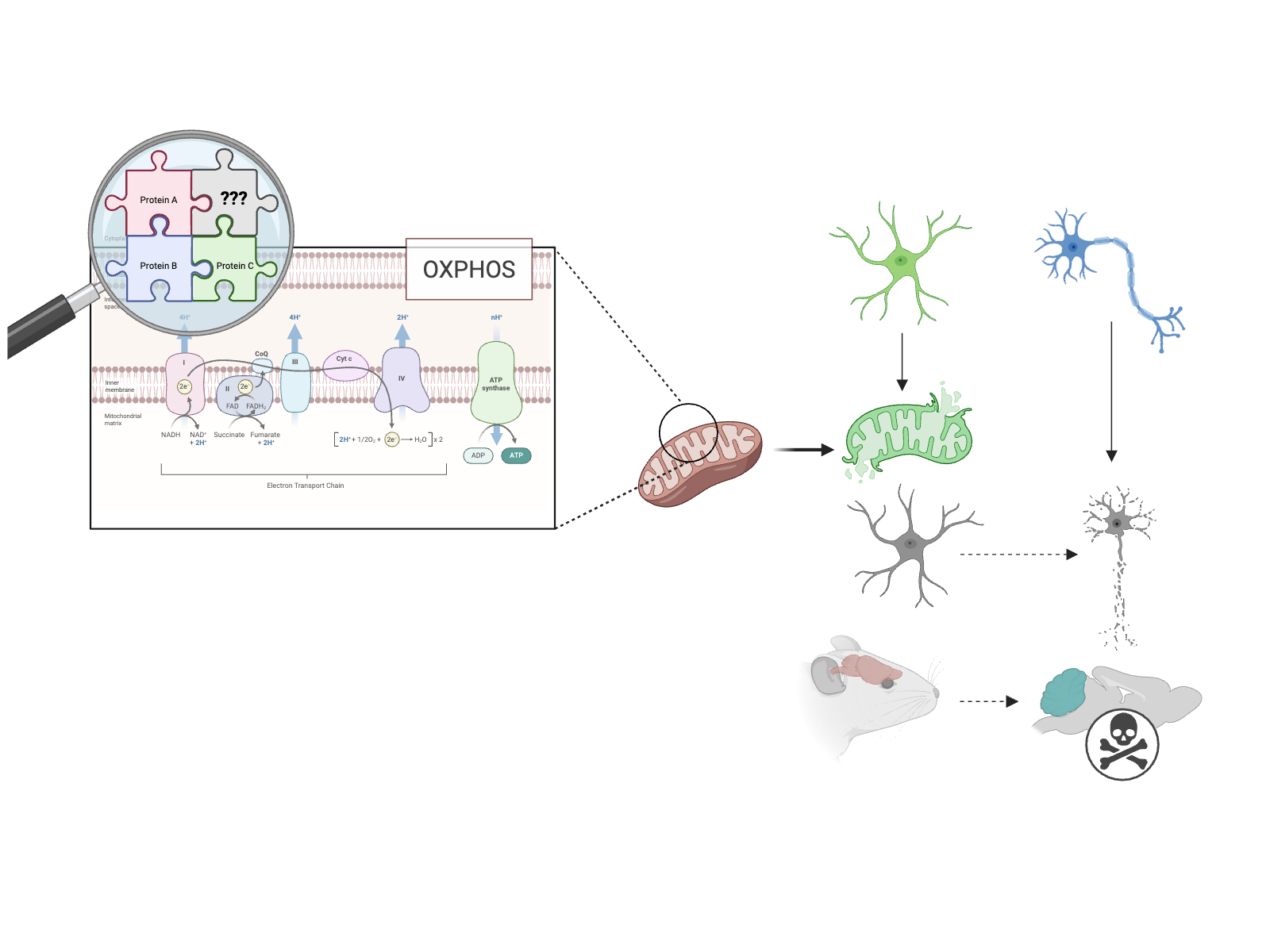
Mitochondrial Biology research illustration

Our research seeks to uncover the fundamental mechanisms through which mitochondrial biology preserves cellular and tissue function, and to understand how mitochondrial dysfunction propagates across biological scales—from molecular defects and loss of cellular fitness to tissue degeneration, organ failure and systemic metabolic disease. We are particularly interested in defining how mitochondrial dysfunction in glial cells drives neurodegeneration and reshapes systemic metabolism. Ultimately, our goal is to reveal new therapeutic strategies for mitochondrial and neurodegenerative disorders.
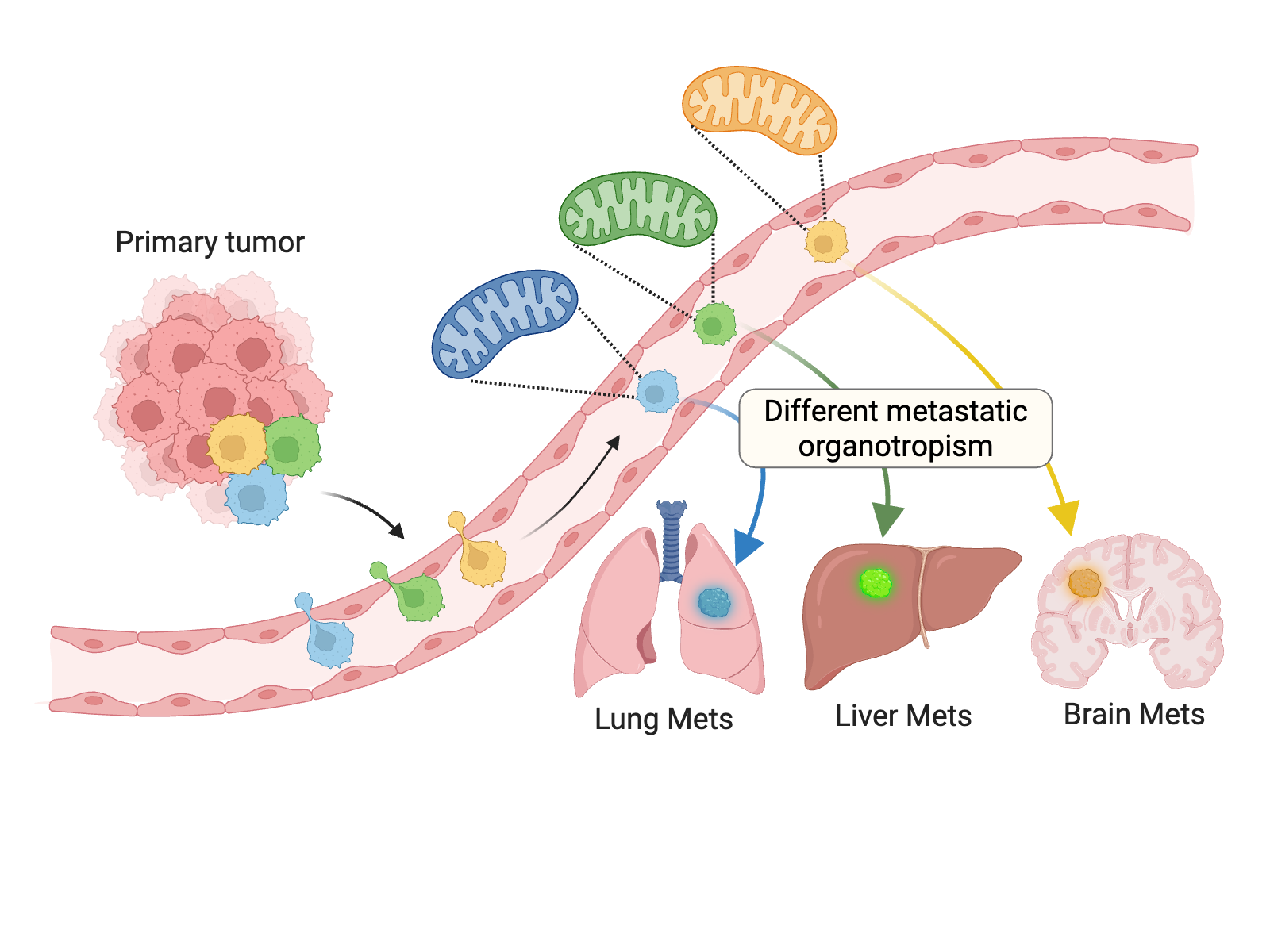
Metastatic Organotropism research illustration

Metastatic cells encounter profoundly different physiological environments as they disseminate throughout the body. We seek to uncover the metabolic principles that determine why tumour cells colonise specific organs by defining the mechanisms that establish metabolic compatibility between metastatic cells and individual organs. We are particularly interested in understanding how these adaptive programmes are acquired, maintained and ultimately exploited as therapeutic vulnerabilities to prevent and treat metastatic disease.

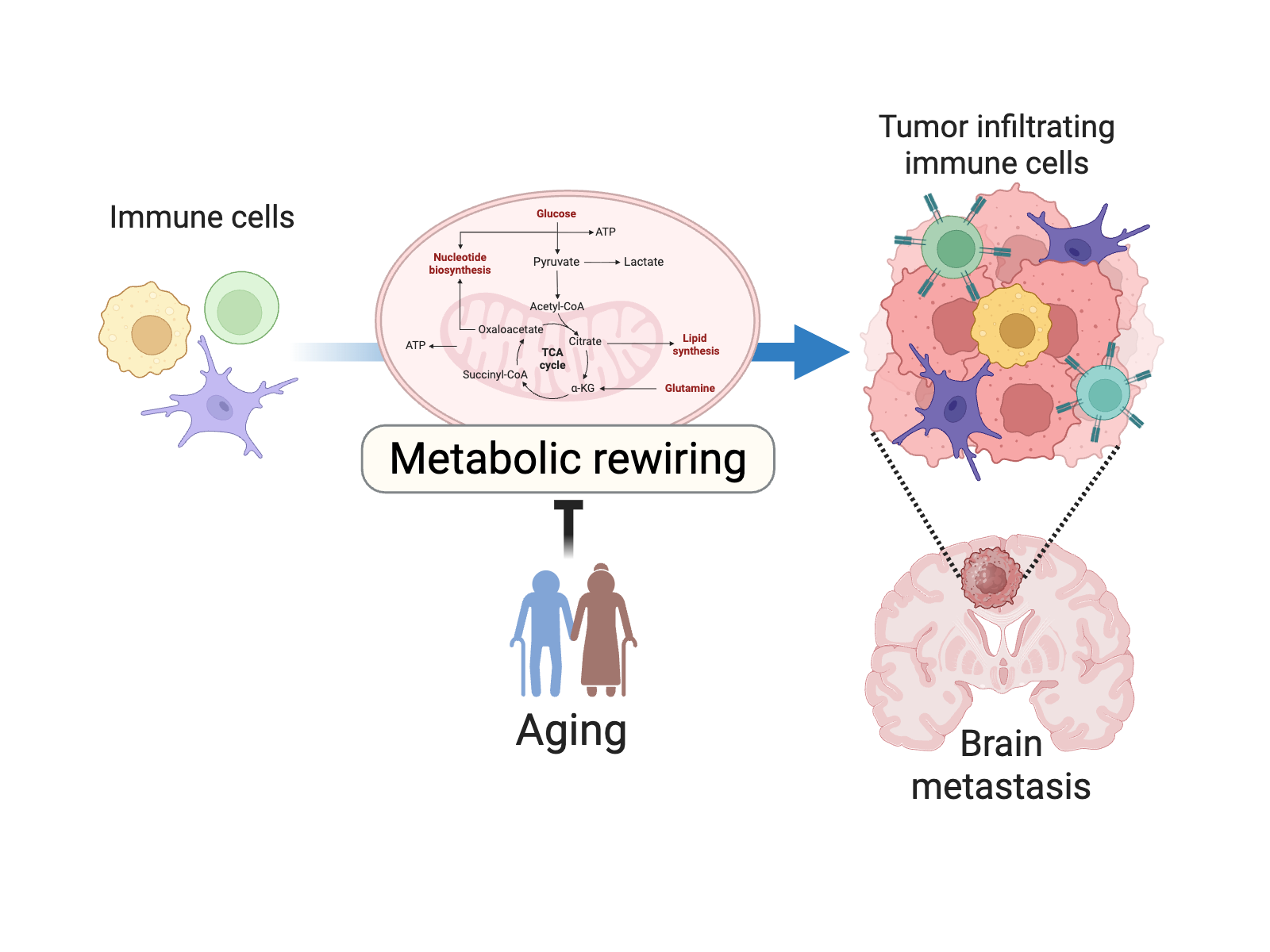
Cancer Immunometabolism research illustration

Immune cells continuously adapt to the metabolic environments of the tissues they inhabit. We seek to uncover the metabolic principles through which tissue-specific ecosystems—and their progressive remodelling during ageing and disease—shape immune-cell function and anti-tumour immunity across metastatic organs. We are particularly interested in understanding how metabolic rewiring of tissue-resident immune cells, including brain microglia, influences metastatic progression and therapeutic responses. Ultimately, our goal is to identify new metabolic vulnerabilities to develop more effective immunotherapies and tissue-adapted cellular therapies.