BALSALAB
MITOCHONDRIAMETABOLISMDISEASE

People

Meet the minds decoding metabolism.

We are a multidisciplinary team exploring how mitochondrial biology and cellular metabolism shape human disease, from neurodegeneration to cancer progression.

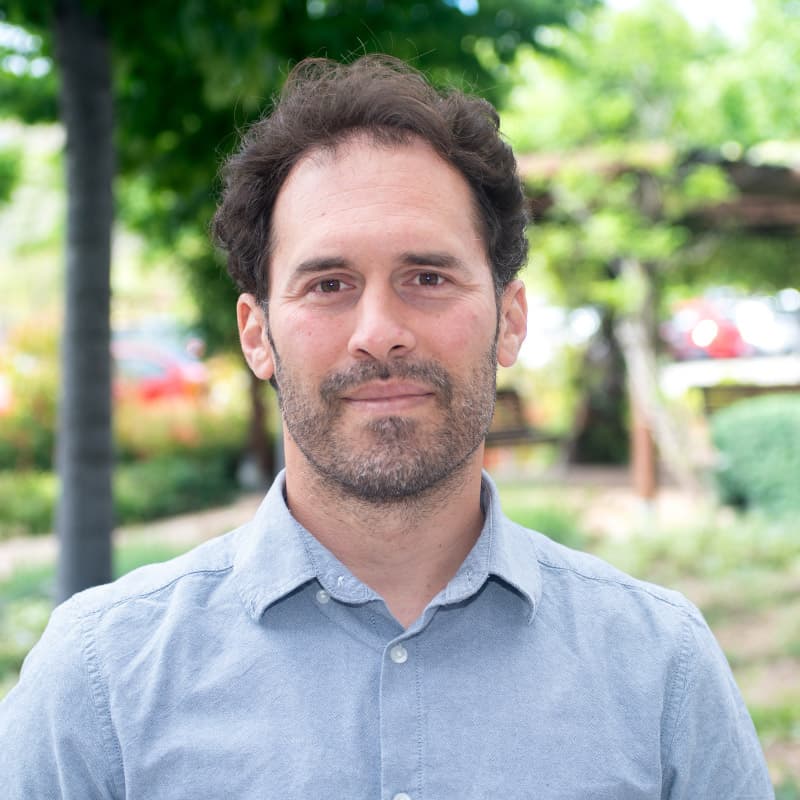
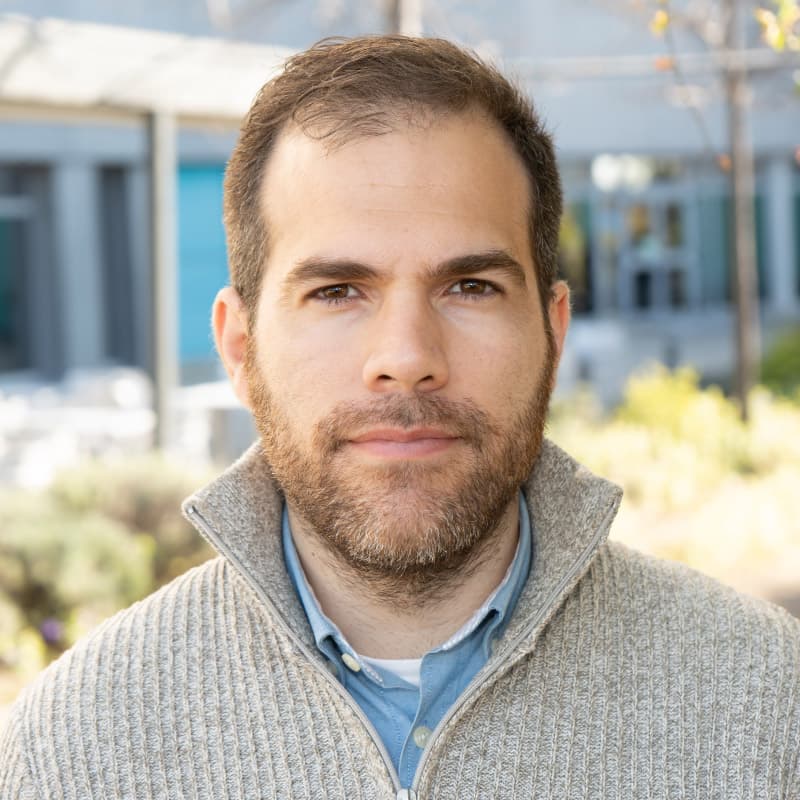
Eduardo Balsa

Principal Investigator

Eduardo Balsa

ebalsa@cbm.csic.es

Dr. Balsa received his PhD in Biomedicine, Biochemistry and Molecular Biology from the Universidad Autónoma de Madrid (UAM) in 2012. His doctoral research was carried out at Hospital Universitario de La Princesa and the Centro Nacional de Investigaciones Cardiovasculares (CNIC), where he investigated the metabolic regulation of hypoxia and identified novel components involved in mitochondrial oxidative phosphorylation (OXPHOS) and respiratory supercomplex assembly. He subsequently carried out postdoctoral research at Harvard Medical School and the Dana-Farber Cancer Institute, where he developed multidisciplinary approaches combining functional genomics, proteomics and metabolomics to investigate mitochondrial metabolism. Since 2020, he has led the Mitochondrial Dysfunction in Metabolic Diseases Laboratory at the Centro de Biología Molecular Severo Ochoa (CBM-CSIC-UAM), and is currently Professor at the Universidad Autónoma de Madrid.

The team

Postdoctoral Researchers

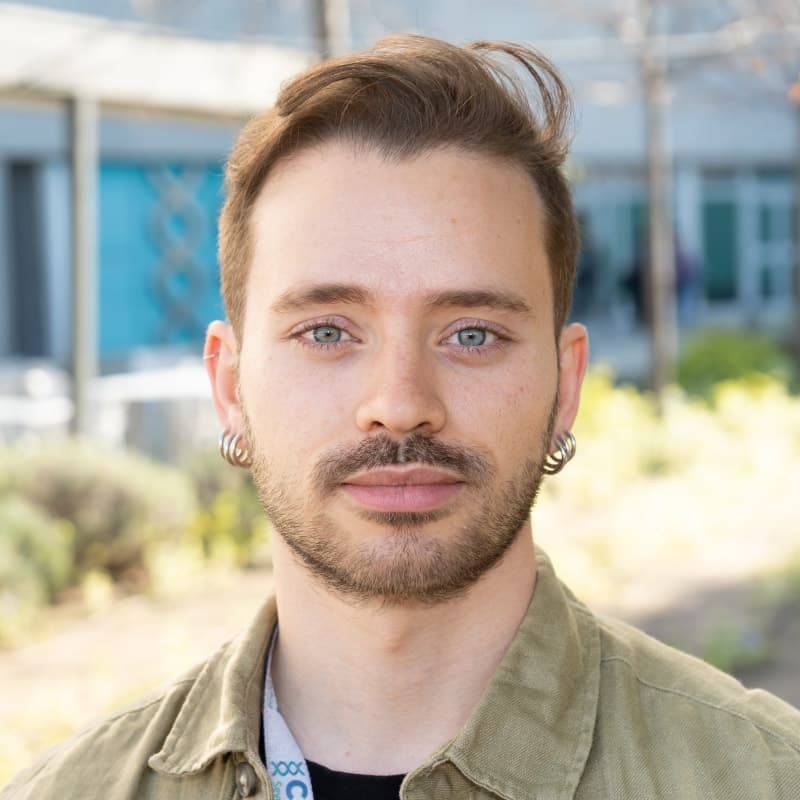
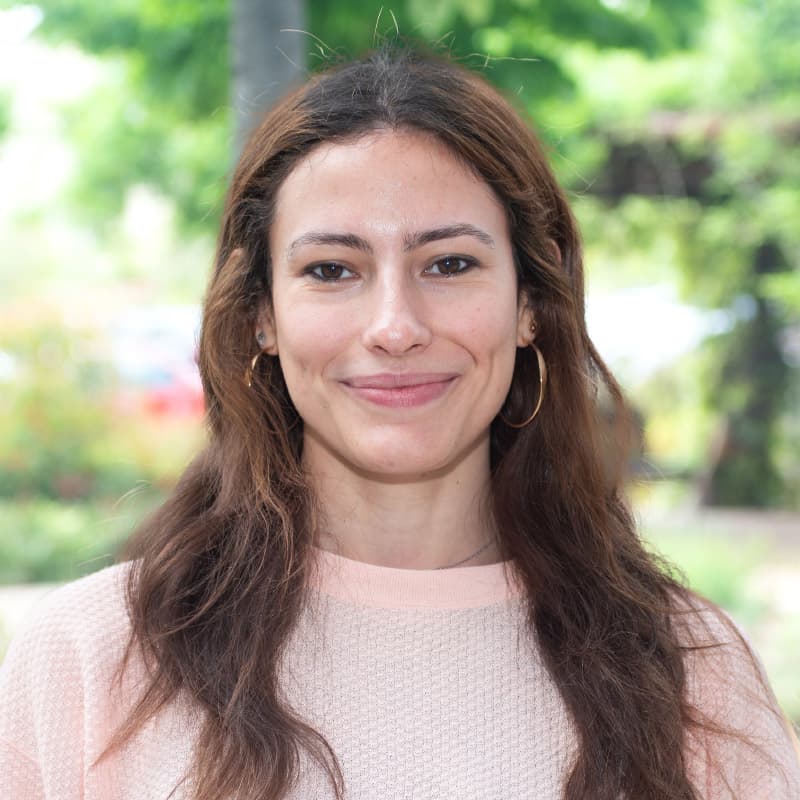
Gonzalo Herranz Gómez

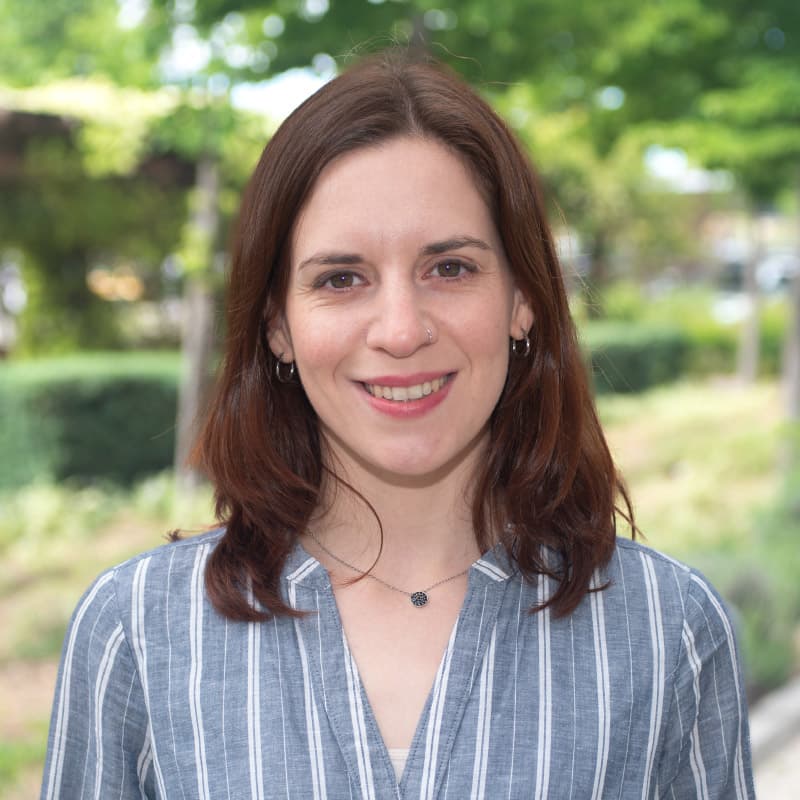
Gonzalo Herranz Gómez holds a BSc in Biology from the Autonomous University of Madrid (UAM) and an MSc in Biochemistry, Molecular Biology and Biomedicine from the Complutense University of Madrid (UCM). He obtained his PhD at the Centro de Biología Molecular Severo Ochoa (CBM, CSIC-UAM), where he investigated the physiological and metabolic properties of neonatal enterocytes and uncovered a key role for mitophagy in maintaining their function. During his doctoral training, he completed a research stay at the Institute for Bioengineering of Catalonia (IBEC) in Barcelona, where he gained expertise in 2D and 3D intestinal organoid models. He is currently a postdoctoral researcher in the Balsa Lab, where his research focuses on how mitochondrial quality control and metabolic plasticity influence cancer progression. In particular, he investigates the role of mitophagy in breast cancer dormancy and the metabolic adaptations that enable melanoma cells to disseminate and colonize distant organs.
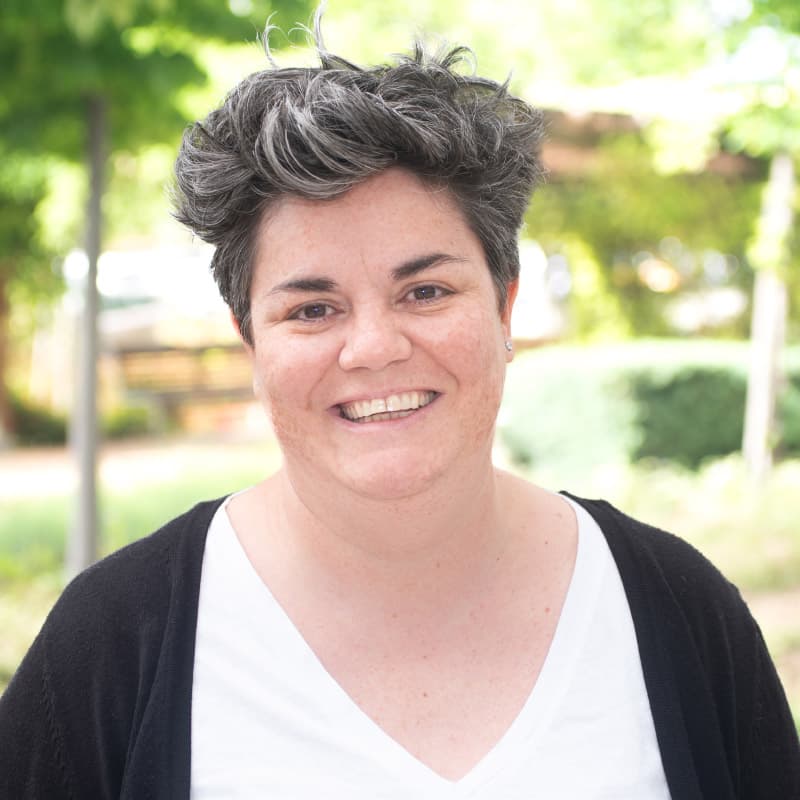
Sara Laine Menéndez

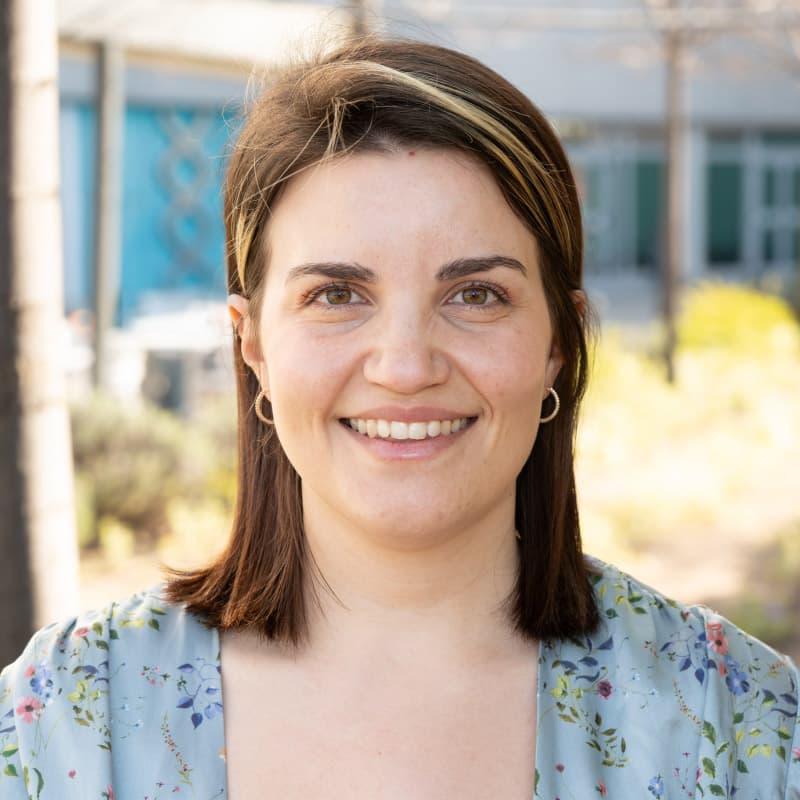
Sara Laine holds a BSc in Biology and an MSc in Molecular and Cellular Biology from the Universidad Autónoma de Madrid (UAM). She obtained her PhD in Molecular Biosciences in 2021 at Hospital Universitario 12 de Octubre, where she used a mouse model of mitochondrial disease to investigate mitochondrial dysfunction and the therapeutic potential of physical exercise. In 2022, Sara joined the Balsa Lab as a postdoctoral researcher, supported by a competitive Margarita Salas Fellowship. Her initial work focused on identifying molecular regulators of oxidative phosphorylation before expanding toward cancer metabolism and metastasis. In 2024, she undertook a research stay in Alejo Rodríguez-Fraticelli’s laboratory at IRB Barcelona, supported by a competitive mobility fellowship, where she trained in bioinformatics, R programming and omics data analysis. She is currently pursuing an MSc in Bioinformatics at the Universitat Oberta de Catalunya (UOC). Her current research investigates how metabolic programs shape melanoma metastasis and organotropism, integrating experimental cancer biology with bioinformatics and computational analysis of high-throughput sequencing data.

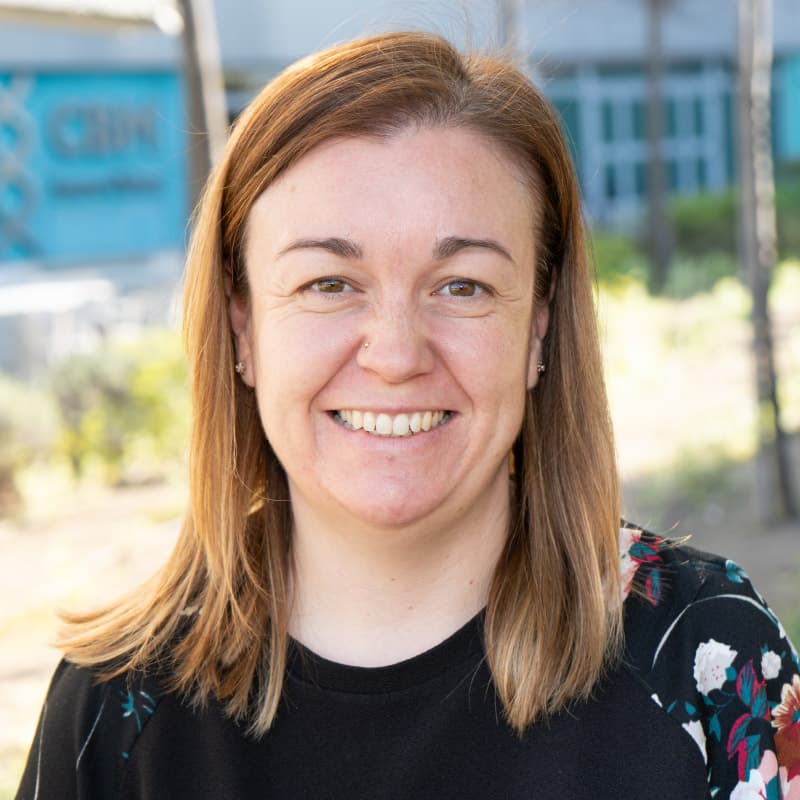
Laura Olmedo Moreno

Laura Olmedo Moreno holds a BSc in Biology and an MSc in Advanced Biology from the University of Seville, including a SICUE research stay at the Complutense University of Madrid. In 2025, she obtained her PhD in Molecular Biology, Biomedicine and Clinical Research at CABIMER–University of Seville, where she was an FPU fellow in the laboratory of Dr. Vivian Capilla-González. Her doctoral research investigated the interactions between mesenchymal stem cells and glioma cells and explored strategies to enhance their antitumor activity through melatonin priming. During her doctoral training, Laura completed research stays at the Mayo Clinic (USA), where she gained experience in orthotopic tumour models and single-cell imaging, and at the CNB in Madrid, where she worked on proteomics and data analysis. Her doctoral research resulted in five peer-reviewed publications, including two as first author, and a patent. She is currently a postdoctoral researcher in the Balsa Lab and has recently been awarded a competitive Juan de la Cierva Fellowship. Her research focuses on how ageing reshapes microglial metabolism and how these metabolic changes influence the establishment and progression of brain metastases. In parallel, she investigates the metabolic adaptations that enable tumour cells to survive and colonize the leptomeningeal space. Outside the lab, Laura enjoys musicals and singing, particularly karaoke.

PhD Students

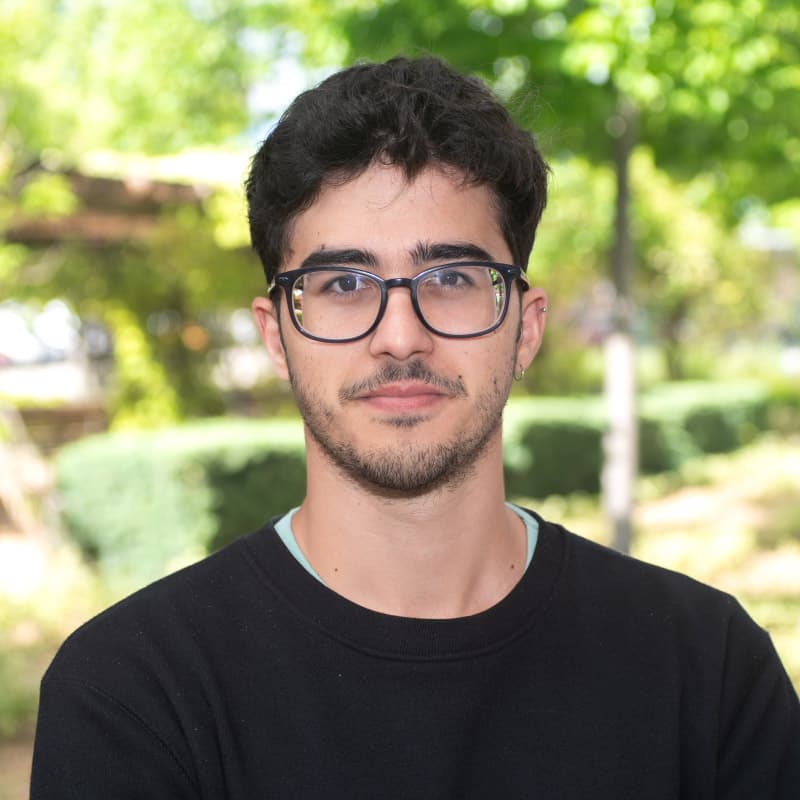
Daniel Curbelo Piñero

Daniel Curbelo obtained a BSc in Biotechnology from Universidad Politécnica de Madrid and an MSc in Biochemistry from the University of Bonn. During his training, he gained research experience in plant biology, protein design, immunometabolism and mitochondrial biology through projects at the Centro de Biotecnología y Genómica de Plantas (CBGP), the University of Bonn, the LIMES Institute and the Max Planck Institute for Biology of Ageing. His work has been recognised with several competitive fellowships and academic excellence awards, including a fellowship from the Asociación Española Contra el Cáncer (AECC), supporting his MSc in Molecular Oncology. He also serves as a member of the Predoc & Postdoc Committee at the Centro de Biología Molecular Severo Ochoa (CBM-CSIC/UAM). In the laboratory, Daniel investigates how tissue-specific metabolic environments shape immune-cell function during the establishment of brain, liver and lung metastases, with a particular focus on immunometabolism and metastatic progression.

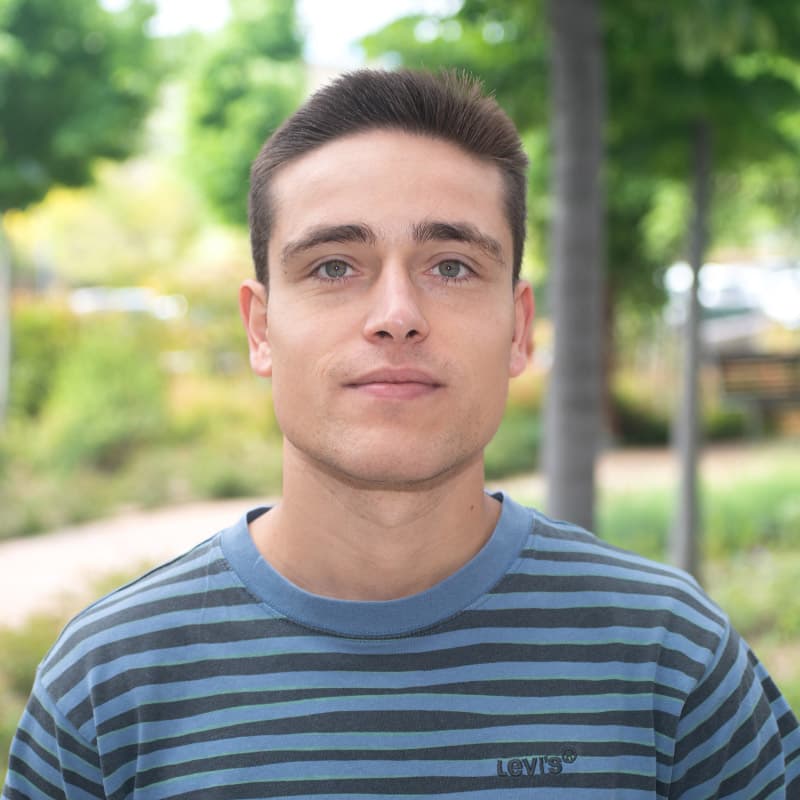
Pablo Castillo Serrulla

Pablo Castillo Serrulla obtained his BSc in Health Biology from the University of Alcalá (UAH), Spain. During his undergraduate studies, he carried out his research project at Hospital Universitario de La Princesa under the supervision of Ana Urzainqui, where he investigated autoimmune diseases, including systemic sclerosis and lupus, using patient-derived samples. He subsequently completed an MSc in Biomolecules and Cellular Dynamics at the Autonomous University of Madrid (UAM), supported by a scholarship from the Ramón Areces Foundation. In 2024, Pablo joined the Balsa Lab, where he is currently pursuing his PhD. His doctoral research investigates the role of microglia in brain metastasis, with a particular focus on how ageing and metabolic rewiring shape microglial function and, in turn, influence the establishment and progression of metastatic disease in the brain.

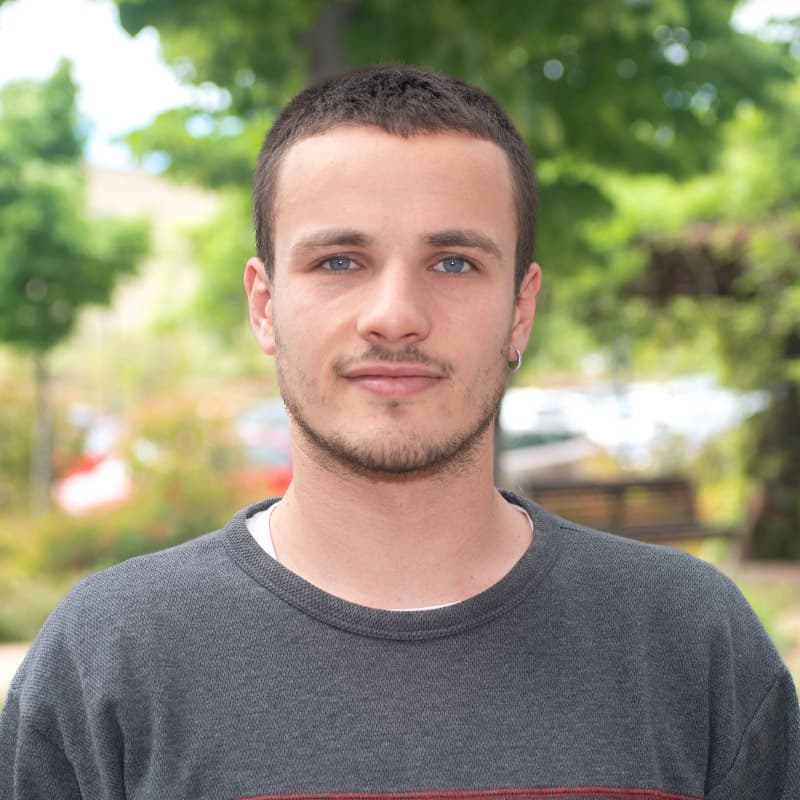
Víctor Manuel Cruz Vilchez

Víctor Manuel Cruz Vílchez obtained his BSc in Biochemistry from the University of Málaga, Spain, in 2021, and subsequently completed an MSc in Biotechnology at the Autonomous University of Madrid (UAM) in 2022. Following his MSc, he undertook a research stay at the German Cancer Research Center (DKFZ) in Heidelberg, Germany, in the laboratory of Fabricio Loayza-Puch, where he investigated metabolic vulnerabilities within the tumour microenvironment, contributing to work later published in Nature Communications (Avilés-Huerta et al., 2025). In 2023, Víctor joined the Balsa Lab at the Centro de Biología Molecular Severo Ochoa (CBM, CSIC-UAM), where he is currently pursuing his PhD in Molecular Biosciences with an FPI fellowship from the Spanish Ministry of Science. His doctoral research investigates how cancer cells metabolically adapt to different tissue environments during metastatic progression, with a particular focus on mitochondrial metabolism and the mechanisms that establish metabolic compatibility between metastatic cells and the organs they colonise. Outside the lab, Víctor enjoys sports—particularly football—music, and making the most of Madrid’s sunny weather.

Lucía del Prado Montero

Lucía del Prado studied Biology at the Autonomous University of Madrid (UAM), obtaining her BSc in 2019, and completed an MSc in Neuroscience at the Complutense University of Madrid (UCM) in 2020. During an Erasmus+ research traineeship at Heidelberg University, Germany, she investigated mechanisms of neurometabolism. In 2021, she joined Eduardo Balsa’s laboratory at the Centro de Biología Molecular Severo Ochoa (CBMSO-CSIC) to pursue her PhD, investigating the molecular mechanisms underlying cell-type-specific vulnerability to mitochondrial dysfunction and their contribution to mitochondrial disease progression. She is currently a postdoctoral researcher in the Balsa Lab, where her research explores astrocytic mitochondrial dysfunction as a mechanistic link between neurodegeneration and systemic metabolic imbalance. Her work aims to understand how mitochondrial alterations in astrocytes reshape neuronal function, brain metabolism and whole-body metabolic homeostasis. Outside the lab, Lucía enjoys ice skating and poetry.

Laboratory Staff

Natalia del Pozo Ramos

Natalia del Pozo trained as a Higher Technician in Pathological Anatomy and Cytology, completing extensive practical training in histological techniques. She began her professional career at the Cajal Institute (CSIC) through a Comunidad de Madrid/Finnova fellowship, first working as an animal care technician and later joining the Neuronal Plasticity Laboratory led by Dr. Rosario Moratalla Villalba. She subsequently moved to Barcelona, where she worked in the Department of Endocrinology at Hospital Clínic in the laboratory of Dr. Jorge Ferrer, studying pancreatic beta-cell differentiation. In 2007, she returned to Madrid and joined the Spanish National Cancer Research Centre (CNIO), where she spent 15 years in the Epithelial Carcinogenesis Group led by Dr. Francisco Real. During this period, she developed extensive expertise in laboratory management, histology, animal experimentation and preclinical models spanning neuroscience and cancer research. Natalia is currently Lab Manager and Senior Research Technician in the Balsa Lab. She provides key technical and organisational support across the laboratory and has particular expertise in mouse experimentation, including tumour growth and metastatic disease models.

María Victoria Viñas Castro

Mª Victoria Viñas Castro is a senior clinical laboratory technician specializing in in vivo research using murine models. She has extensive expertise in animal handling, substance administration and biological sample collection. Her work is focused on ensuring the highest standards of animal welfare, experimental rigor and reproducibility, providing the robust preclinical data that underpin the laboratory's research.